الجغرافيا الساحلية والتدفق البحري
المناطق الثقافية في العالم: من منطقة الساحل إلى منطقة سكاندينافيا - كيف يُشكِّل الجغرافيا هوية الإنسان
Table of Contents
ومن صحراء أفريقيا المطلة على الشمس إلى المناظر الطبيعية في أوروبا الشمالية، ومن أرخبيلات الجزر الاستوائية إلى المراعي التي تُعَدّها الرياح، ]، تطورت الثقافة البشرية بطرق متنوعة غير عادية ] تتشكل من التفاعل المتعقد بين الجغرافيا والتاريخ والمناخ والبيئة.
إن فهم المناطق الثقافية يساعدنا على أن نرى العالم ليس مجموعة تعسفية من الحدود السياسية التي توضع على الخرائط، بل هو بمثابة شعار للهويات والقيم المشتركة وأساليب الحياة التي كثيرا ما تتجاوز الحدود الوطنية، وهذه المناطق تمثل الحكمة المتراكمة للأجيال التي لا تحصى والتي تتعلم في بيئات محددة، بينما تستحدث لغات وأديانا وتقاليدا فنانية متميزة،
ويبحث هذا الاستكشاف الشامل ما يعرف المناطق الثقافية، وكيف أن الجغرافيا تشكل أساسا التنمية الثقافية، ويصف المناطق الثقافية الرئيسية في العالم - من منطقة الساحل الانتقالية في أفريقيا إلى المجتمعات المتساوية في سكاندينافيا - التي تقيم الصلات العميقة بين المكان والثقافة التي تحدد الحضارة الإنسانية.
ما هو المنطقة الثقافية؟ تحديد الهوية المشتركة عبر الفضاء
A cultural region is a geographic area where people share common cultural traits] such as language, religion, customs, cuisine, architectural fashions, artistic traditions, or historical experiences. These regions often cross political borders and reflect deep social, linguistic, and religious patterns that have developed over century or millennia.
السمات الأساسية للمناطق الثقافية
وتُعرَّف المناطق الثقافية بخصائص متداخلة متعددة:
اللغات المُشارِكة أو اللغةِ العائلةِ [FLT:]: اللغةِ تُمثّلُ أحد أهمّ الجوانبِ الثقافةِ.
- تمتد العالم العربي الناطقة باللغة العربية من المغرب إلى العراق، موحّدة باللغة على الرغم من الانقسامات السياسية
- Spanish and Portuguese-speaking Latin America] shares linguistic heritage despite geographical vastness
- المناطق اللغوية الألمانية (ألمانيا، هولندا، Scandinavia، أجزاء من بريطانيا) تظهر روابط ثقافية على الرغم من وجود أمم منفصلة
Common Religious Traditions]: Religion profoundly shapes values, ethics, social structures, and daily practices:
- يمتد العالم الإسلامي عبر مختلف الجغرافيا، ولكنه يتقاسم الممارسات الدينية والجداول والقيم الثقافية
- Buddhist cultural regions] in East and Southeast Asia share philosophical traditions and artistic motifs
- Christian cultural regions] exhibit distinct variations (Orthodox, Catholic, Protestant) that create sub-regions within broader Christian civilization
Shared Historical Experiences]: Common historical trajectories create cultural unity:
- Post-colonial regions] share experiences of colonialism, independence movements, and ongoing development challenges
- The former Soviet sphere] shares political and social legacies that persist decades after dissolution
- Mediterranean civilizations] share millennia of trade, cultural exchange, and historical interaction
Similar Economic and Subsistence Patterns]: How people make their living shapes culture:
- Pastoral nomadic cultures across Central Asian steppes share similar lifestyles despite ethnic differences
- ]Rice-cultivating societies] in monsoon Asia developed distinctive agricultural dates, water management systems, and settlement patterns
- Maritime fishing cultures] from Polynesia to Scandinavia to Pacific Northwest develop similar relationships with the sea
Distinctive Artistic and Architectural Traditions: Material culture reflects regional identity:
- Islamic architectural regions] share design elements like geometric patterns, arches, courtyards, and calligraphy
- Southeast Asian Temp structure] shows distinct fashions influenced by Hinduism and Buddhism
- Nordic design] emphasizes simplicity, functionity, and natural materials reflecting cultural values
Culinary Traditions]: تعكس ثقافة الأغذية المكونات المتاحة والمناخ والقيم الثقافية:
- Mediterranean cuisine] emphasizes olive oil, wheat, wine, and fresh vegetables across southern Europe and North Africa
- East Asian food cultures] center on rice, soy products, and distinctive flavor profiles and cooking techniques
- West African cuisines] feature starchy staples, stews, and specific spice combinations
المناطق الثقافية ضد الحدود السياسية
Importantly, cultural regions frequently cross political borders] and don't align neatly with countries:
- Kurdistan] represents a distinct cultural region divided among Turkey, Iraq, Iran, and Syria-a people with shared language and identity but no unified political state
- The Sahel] extends across multiple nations but represents a coherent cultural-geographic zone
- Latin America] encompasses dozens of countries but shares colonial heritage, language, and cultural patterns
- Scandinavia]] includes parts of multiple countries united by cultural similarities despite political independence
ويؤدي هذا الخطأ بين الجغرافيا الثقافية والسياسية إلى خلق الثراء (التنوع الثقافي داخل الأمم) والتوترات (عندما تسعى المناطق الثقافية إلى الاعتراف السياسي أو الاستقلال الذاتي).
العلاقة بين الجغرافيا والثقافة: كيف يُشار إلى الهوية
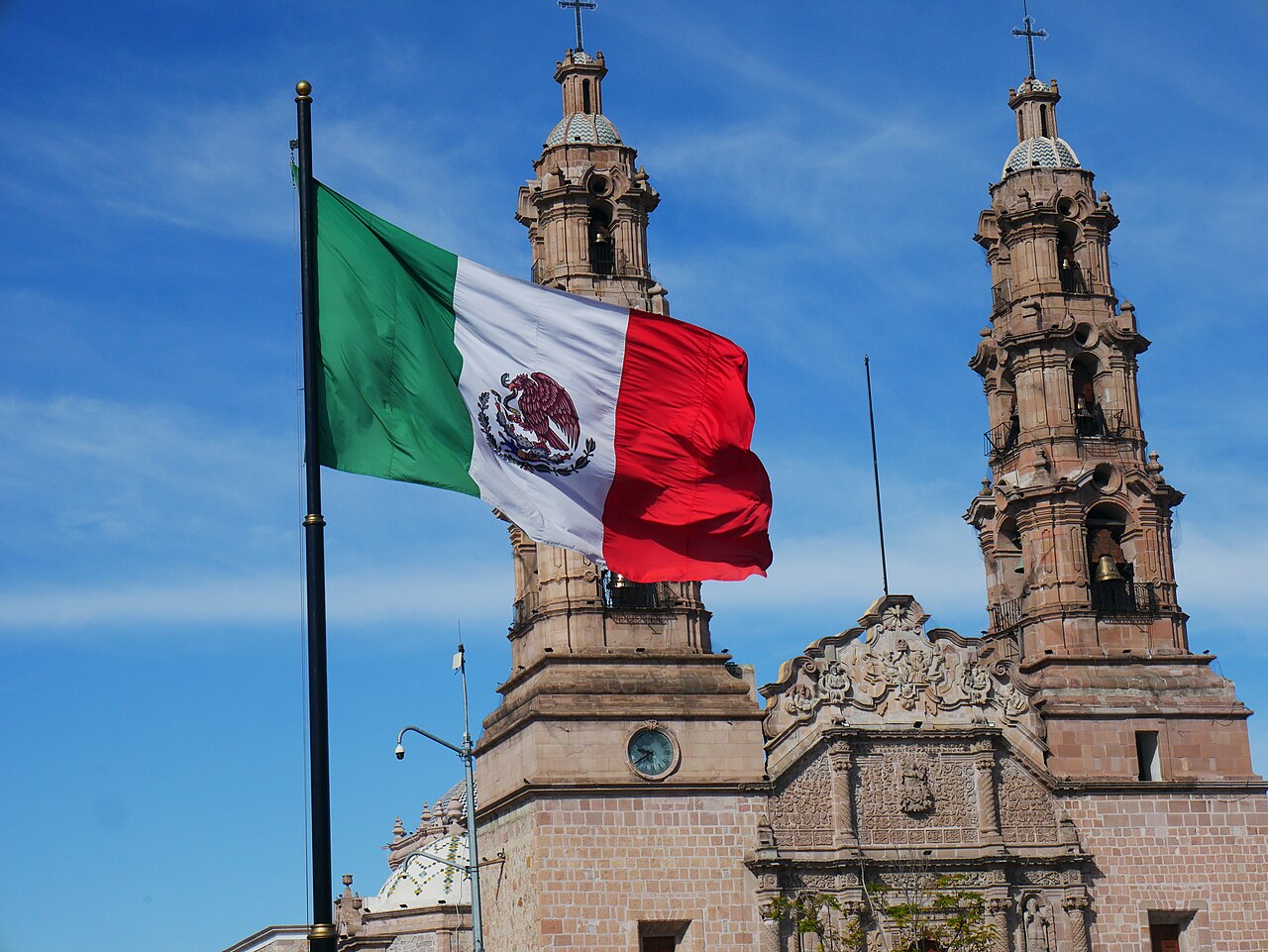
وتؤدي الجغرافيا دوراً حيوياً ومحدداً في كثير من الأحيان في تشكيل الثقافة البشرية، وتضع البيئة المادية قيوداً وإمكانيات تؤثر تأثيراً عميقاً على كيفية تطور المجتمعات، وما تقدره، وكيف تنظم نفسها، وما هي الممارسات الثقافية التي تنشأ.
Climate: The Foundation of Cultural Adaptation
Climate determines fundamental aspects of life that cascade into broader cultural patterns:
Food Production]: Climate determines which crops can grow and which animals can be raised:
- Temperate regions] with distinct seasons developed wheat, barley, and livestock cultures
- Tropical regions] enabled rice cultivation, tropical fruits, and different agricultural dates
- Arid regions] required nomadic pastoralism or sophisticated irrigation systems
Clothing and Shelter]: Climate directly influences material culture:
- Arctic peoples] developed sophisticated cold-weather clothing, insulated dwellings, and cultural practices adapted to extreme cold and darkness
- Desert cultures] created loose, light-colored clothing and architectural designs emphasizing shade, ventilation, and heat dissipation
- Tropical cultures] developed open-air structure, minimal clothing, and different approaches to food storage
Activity Patterns]: Climate shapes daily rhythms and seasonal cycles:
- Monsoon cultures] organize life around dramatic wet-dry seasonal shifts
- Arctic cultures] adapt to extreme seasonal variation in daylight
- Mediterranean cultures] historically practiced midday rest during summer heat (siesta tradition)
Agricultural Calendar]: Climate determines when crops are planted and harvested, influencing ]festival dates, religious observances, and social organization -harvest festivals worldwide reflect local agricultural cycles.
Landforms: Geographic Features as Cultural Boundaries and bridges
الجغرافيا المادية تخلق حواجز وممرات طبيعية تؤثر تأثيرا عميقا على التنمية الثقافية:
Mountains as Isolators and Protectors: Mountain ranges create ]cultural refugia where traditions persist:
- The Caucasus Mountains] contain extraordinary linguistic diversity-dozens of languages in a relatively small area-because mountain valleys isolated communities
- Highland New Guinea] maintained hundreds of distinct languages and cultures due to rugged terrain limiting contact
- The Alps] historically divided Germanic and Romance language regions while creating distinct alpine cultures
- The Himalayas] separate South Asian and East Asian cultural spheres while fostering unique Tibetan and Himalayan cultures
Rivers as Unifiers and Highways : Major rivers facilitate ]cultural integration:
- The Nile] unified Egyptian civilization along its length
- The Rhine and Danube] connected Central European cultures and facilitated trade
- The Mekong] links Southeast Asian mainland cultures
- The Mississippi] enabled North American cultural and economic integration
Coasts as Zones of Exchange]: Coastal regions typically show more ]cosmopolitan, trade-oriented cultures:
- Mediterranean coastal cultures] share historical connections from maritime trade despite diverse ethnic origins
- Maritime Southeast Asia] developed trading cultures connected by sea routes
- Caribbean cultures] blend influences from multiple continents via maritime connections
Deserts as Barriers: Desert regions create ]cultural boundaries and distinctive adaptations:
- TheSaharan] divides Mediterranean North Africa from sub-Saharan Africa, creating distinct cultural spheres
- Central Asian deserts] channeled trade along specific routes (Silk Road), creating oasis city cultures
- Desert margins] often develop ]transitional cultures] blending neighboursing regions (like the Sahel)
Islands as Laboratories]: Island geography creates unique conditions:
- Isolation] enables distinct cultural development (Hawaiian, Maori, Icelandic cultures)
- Small size] often creates tight-knit societies with shared identity
- Maritime necessity] typically produces seafaring cultural traditions
الموارد الطبيعية: الورث من الأرض
(أ) النظم الاقتصادية والهياكل الاجتماعية والممارسات الثقافية [(FLT:0]:
Abundant Resources]: rich environments enable population growth and cultural complexity:
- Fertile river valleys (Nile, Indus, Yellow River, Mesopotamia) supported early civilizations
- Rich fishing grounds] (Pacific Northwest, Scandinavia) enabled complex pre-agricultural societies
- Mineral wealth] influences trade patterns and economic development
Scarce Resources]: تستلزم الموارد المحدودة إجراء تكيفات مختلفة:
- مناطق نيران النفايات ] تطوير إدارة متطورة للمياه وممارسات ثقافية حول الحفظ
- Marginal agricultural lands] may encourage nomadic pastoralism or trading economies
- Resource scarcity] can drive ]]migration, trade, and innovation]
الانعسار ضد الانتقائية: أنماط الثورة الثقافية
ويؤثر الوضع الجغرافي بالنسبة للسكان الآخرين تأثيراً عميقاً على التنمية الثقافية:
Isolated Regions]: العزلة الجغرافية تتيح التنمية الثقافية المتميزة:
- ثقافات أستراليا الأصلية التي طورتها لـ 50 ألف سنة بعد عام في عزلة، مما خلق تقاليد فريدة
- Pre-Columbian Americas] developed independently from Eurasian cultural influences
- Remote Pacific islands] (Rapa Nui, Hawaii) evolved distinct cultures in isolation
Crosroads Regions]: Areas at geographical intersections blend multiple influences:
- Central Asia] blended Chinese, Indian, Persian, and European influences along Silk Road routes
- Southeast Asia] synthesized Indian, Chinese, and indigenous traditions
- The Mediterranean] mixed European, North African, and Middle Eastern cultures
- East Africa blended African, Arab, and Indian Ocean influences
وهذه العلاقة بين الربط والعزلة تخلق تنوع الثقافات البشرية - وتضع المناطق المعزولة تقاليد فريدة في حين تتداخل المناطق مع التأثيرات المتعددة.
المناطق الثقافية الرئيسية في العالم: جولة جغرافية للتنوع البشري
الأقسام التالية تستكشف المناطق الثقافية الرئيسية في العالم، وتدرس كيف أن الجغرافيا والتاريخ والتكييف البشري خلقت طرقاً مميزة للحياة عبر كوكبنا.
١ - أفريقيا جنوب الصحراء: التنوع داخل الوحدة
إن أفريقيا جنوب الصحراء الكبرى - التي تستمد من الطرف الذي ينحدر من الصحراء الكبرى إلى رأس الأمل الحسن - تشمل التنوع الثقافي غير العادي في مساحة جغرافية مترابطة، وتشمل هذه المنطقة الواسعة مئات المجموعات العرقية، وأكثر من 000 2 لغة، وبيئات متنوعة من الغابات المطيرة إلى السفانايين.
منطقة الساحل: المنطقة الانتقالية لأفريقيا
شيل شيل ] (العربية ل"شاطيء" أو "كوست" - مُشارة إلى حافة الصحراء الجنوبية) يمثل منطقة فرعية هامة للغاية:
Geographic Characteristics]: A ]semi-arid belt]] spanning 3,000+ miles from Senegal to Sudan, transitioning betweenSaharan Desert to the north and savanna to the south. Rainfall increases gradually movingward, creating distinct ecological zones.
Cultural Crossroads: The Sahel has historically functioned as a ]meeting point] between:
- North African Arab and Berber cultures] moving southward
- ثقافات أفريقيا جنوب الصحراء الكبرى ] التوسع في الشمال
- Trans-Saharan trade networks] connecting Mediterranean world with West African Kingdoms
Historic Kingdoms]: استضافت منطقة الساحل إمبراطوريات قوية قبل الاستعمار:
- Ghana Empire] (300-1200 CE): Controlled gold-salt trade routes
- Mali Empire] (1235-1600 CE): Reached its zenith under Mansa Musa, controlling extensive trade networks
- Songhai Empire] (1464-1591 CE): إحدى أكبر الولايات في التاريخ الأفريقي
- هذه الامبراطوريات ثروتها من موقع جيجي
Cultural Characteristics]:
- مخادع مخلص ]: قدم الإسلام عبر طرق تجارية مختلطة بالتقاليد الروحية للشعوب الأصلية في أفريقيا
- Pastoral and agricultural mix]: رعاة البدو (Tuareg, Fulani) والمزارعين المستوطنون خلقوا أوجها معقدة من الترابط
- Musical traditions]: Distinctive instruments (kora, balafon) and griots (oral historians/musicians) maintaining history through performance
- Architectural fashions: Sudano-Sahelian structure using mud brick (exemplified by Timbuktu and Djenné mosques)
Contemporary Challenges]: Climate change-driven desertification, population growth, and political instability threaten traditional Sahelian ways of life, creating tensions over resources and driving migration.
السمات الثقافية الأوسع نطاقاً في جنوب الصحراء
وفيما وراء منطقة الساحل، تظهر أفريقيا جنوب الصحراء الكبرى خيوط ثقافية موحدة وسط التنوع:
Language Families]: Predominantly Niger-Congo, Nilo-Saharan, and Khoisan language families, each containing hundreds of languages. The Bantu expansion (beginning so3,000 years ago) spread related languages and agricultural practices across much of central, eastern, and southern Africa.
Communal Social Organization]: Many African cultures emphasize extended family networks, communal land ownership, and collective decision-making -social structures adapted to agricultural and pastoral lifestyles.
Oral Tradition]: Storytelling, proverbs, and oral history]] remain culturally central, with griots and other specialists maintaining knowledge across generations without written texts.
Music and Rhythm]: Complex polyrhythmic musical traditions] profoundly influenced global music (jazz, blues, salsa, reggae trace African roots). Music serves social, spiritual, and entertainment functions integrated into daily life.
Spiritual Practices]: While Christianity and Islam are widespread, ]indigenous African religious traditions]] persist, often blending with introduced religions. Common themes include:
- تهوية أسلاف
- التفاعل العالمي الروحي
- العلاقة بين العوالم الروحية والجسدية
- الروحية المجتمعية بدلا من الروحية الفردية
Art and Craft]: تقاليد مُميزة في خشب النجارة، تصميم المنسوجات، الأعمال المعدنية، والألعاب الرياضية تعكس القيم الجمالية والمعاني الروحية على السواء.
الفرق الإقليمية
وتشتمل أفريقيا جنوب الصحراء الكبرى على مناطق فرعية متميزة:
West Africa: Historical trading Kingdoms, widespread Islam in the north blending with Christianity and indigenous traditions southward, distinctive cuisine (cassava, yams, rice, palm oil, complex spice use).
Central Africa: Dense rainforests influenced settlement patterns, Bantu languages predominate, historical Kingdoms like Kongo, contemporary cultural diversity despite political boundaries drawn by colonialism.
East Africa: Swahili Coast] blended African, Arab, and Indian Ocean influences creating unique maritime trading culture. Highland regions (Ethiopian Highlands, East African Rift) developed distinct cultures. Early human origins sites carrying deep historical significance.
Southern Africa: تمثل شعوب سان وخويخوي السكان القدماء، وجلب التوسع البانتو ثقافات تعمل بالحديد، ثم استعمار أوروبي لاحقا (ولا سيما جنوب أفريقيا) مجتمعات معقدة متعددة الأعراق.
2 - شمال أفريقيا والشرق الأوسط: الكرة الثقافية الإسلامية
متحدة أساساً بـ اللغة العربية والنفوذ الديني الإسلامي ، تمتد هذه المنطقة الواسعة من ساحل المغرب الأطلسي إلى جبال إيران، وتشمل منطقة ماغهريب، وشبه الجزيرة العربية، وليفانت، وميسوباميا، وخليج الفارسي.
الوحدة الجغرافية في التنوع
ورغم اتساع نطاق المناخات والمناظر الطبيعية المتعددة، فإن عدة عوامل تخلق اتساقا ثقافيا إقليميا:
Islam as Unifying Force]: The religion founded in 7th century Arabia spread rapidly, providing:
- Shared religious practices]: Five daily prayers, Ramadan fasting, Haj pilgrimage
- الأطر القانونية : قانون الشريعة المؤثر على الحكم والمعايير الاجتماعية
- Calendar]: Hijriقويم ينظم الحياة الدينية وأحيانا المدنية
- Educational tradition]: Emphasis on Quranic study and religious scholarship
- Architectural vocabulary]: Mosques, minarets, geometric decoration, calligraphy
Arabic Language]: Classical Arabic as liturgical language and Modern Standard Arabic as lingua franca, even where local dialects or other languages (Persian, Turkish, Berber) predominate. Arabic script used across the region.
Historical Trade Networks: Ancient trade routes] (الطرق الحادة، فروع طريق الحرير، التجارة في البحر الأبيض المتوسط) connected the region, facilitating cultural exchange along goods.
Shared Historical Experience: Succession of empires (Umayyad, Abbasid, Ottoman) created shared history and cultural memory despite current political fragmentation.
الخصائص دون الإقليمية
The Maghreb] (Morocco, Algeria, Tunisia, Libya): ]Berber (Amazigh) indigenous cultures blended with Arab influence, distinctive dialects, Mediterranean and Atlantic coastal influences, historical connection to Spain (Al-andalus), French colonial legacy affecting language and institutions.
The Levant] (Syria, Lebanon, Jordan, Palestine/ Israel): Historical crossroads of civilizations, religious diversity (including significant Christian populations), Old cities (Damascus, Jerusalem, Aleppo), cuisine emphasizing olive oil, grains, and fresh vegetables, complex modern politics stemming from colonial partition and ongoing conflicts.
Arabian Peninsula]: Birthplace of Islam], traditional Bedouin culture adapted to desert environment, oil wealth dramatically transformed society in Gulf states, preservation of conservative Islamic practices, distinct Arabic dialects, structure adapted to extreme heat.
Mesopotamia] (Iraq, parts of Syria): ] Ancient civilization cradle] (Sumer, babylon, Assyria), Tigris-Euphrates river system enabling early agriculture, Shia-Sunni divisions creating internal complexity, Kurd millish populations in northern
Nile Valley (مصر، السودان): The Nile River) creating distinct linear civilization, Old Egyptian heritage underlying Islamic-era culture, unique Egyptian Arabic dialect, historical role as region's cultural and intellectual center, demographic concentration along narrow river valley.
Persia/Iran]: Non-Arab but Islamic], Persian language and distinct cultural identity, Shia Islam as state religion distinguishing from Sunni neighbourss, Old imperial heritage (Achaemenid, Sassanid, Safavidt), distinctive artistic traditions (Afavidt).
الخصائص الثقافية
Architecture and Urban Design]: Islamic architectural principles shape built environment:
- فناءات المحاكم التي توفر حيزاً خاصاً في الخارج في المدن الكثيفة
- الأنماط الجيولوجية والزهورية التي تتجنب التمثيل التمويني
- التركيز على سمات المياه (الغطاءات، المجمعات) في المناخ القاحل
- Souks (covered markets) facilitating commerce while providing shade
- المحاربون والمدامات يهيمنون على السواحل
Calligraphy and Geometric Art: Since Islamic tradition discourages figural representation, ]calligraphy] (الكتابة الباهرة، في كثير من الأحيان الآلات الرباعية) and ]]geometric patterns forms]
Cuisine]: الاختلافات الإقليمية بشأن المواضيع المشتركة:
- Mezze] (اللوحات الصغيرة)
- ] ] (كبابس، شوارما)
- Grains] (rice, bulgur, couscous) as staples
- Spices] (cumin, coriander, cinnamon, cardamom) flavoring plates
- سويت ] كثيرا ما يجلب المكسرات، والعسل، والورد، أو مياه البلوز البرتقالي
- Tea and coffee] as social beverages with elaborate servingrite ros
Hospitality Traditions : Across the region, elaborate ]hospitality customs]] reflect cultural values-offering food and drink to guests, providing shelter to travelers, protecting those under one's roof.
Gender Roles and Family Structure: ] Extended family] remains central to social organization, with variations in gender role interpretations across the region from conservative (Saudi Arabia) to more liberal (Tunisia, Lebanon, urban areas generally).
3 - جنوب آسيا: الوحدة في التنوع الملحوظ
جنوب آسيا - وبصفة رئيسية ]FLT:0[ شبه القارة الهندية ]FLT:1][ )الهند وباكستان وبنغلاديش ونيبال وبوتان وسري لانكا( بالإضافة إلى أفغانستان - تمثل واحدة من أكثر المناطق تعقيدا ثقافيا في العالم، وعلى الرغم من التنوع غير العادي، فإن التجارب التاريخية المشتركة والتقاليد الفلسفية تخلق اتساقا إقليميا.
المؤسسات الجغرافية
The Himalayas: Northern mountain barrier creating ]climatic and cultural boundary] between South and Central/East Asia, generating monsoon patterns crucial to agriculture, creating sacred geography (pilgrimage sites, mountain dwelling deities).
River Systems]: Indus, Ganges, and Brahmaputra]] rivers sustaining agriculture and civilization, creating densely populated river valleys and deltas, sacred significance in Hinduism (Ganges particularly).
Monsoon Climate ]: ] Seasonal rainfall pattern] profoundly influencing agriculture, water management, settlement patterns, and cultural dates. The monsoon's arrival celebrated across the region.
Geographic Diversity]: From Himalayan tops to tropical coasts, deserts to rainforests-extraordinary environmental variety within one cultural region creating internal diversity while shared historical experience maintains broader unity.
المؤسسات الدينية والفلسفية
جنوب آسيا منشأ العديد من الأديان العالمية الرئيسية ] التي تسود فلسفتها الثقافة الإقليمية حتى خارج نطاق المنضمين:
Hinduism]: Oldest continuously practiced religion, emphasizing:
- Dharma] (واجب صحيح)، karma (الإجراء والنتائج)، samsara] (دورة التخليص]
- مجموعة من الخداعات تمثل قوى عالمية
- Caste system] (varna and jati) historically organizing society
- النصوص المُختلَفة (فيداس، أوبانشاد، وبغافاد جيتا) التي توفر الأساس الفلسفي
- تقاليد الحج إلى المواقع المقدسة
- الممارسات الضارة المختلفة على الصعيد الإقليمي وبالتقاليد
Buddhism]:ؤسس في شمال الهند ~ القرن الخامس من مؤتمر الأمن والتعاون في أوروبا، ثم انتشر في جميع أنحاء آسيا:
- التركيز على تقصي الحقائق النبيلة و] مسار مزدوج
- مفاهيم المعاناة (دوكخا)، والارتباك (نيكا)، وعدم الذات (ناتا)
- ممارسات السخرية والتأمل
- ومع أن الهند قد نشأت الآن أكثر انتشارا في مناطق آسيوية أخرى
Sikhism]: Emerged in Punjab ~15th century CE, combining elements from Hinduism and Islam:
- العاطفة التي تؤكد على إله واحد
- رفض التسلسل الهرمي للطبقات
- خمسة كتس (كيش، كارا، كانغا، كاتشا، كيربان) كعلامات هوية
- Gurdwara] (temple) as community center
- لانجار (مطبخ مجاني طائفي) يعرب عن المساواة والخدمة
Islam]: Introduced through trade and conquest, ]substantial Muslim populations] particularly in Pakistan, Bangladesh, and parts of India:
- باء - مواكبة الممارسات الإسلامية بالتقاليد الثقافية المحلية
- التقاليد الصوفية المضللة خصوصاً
- بنية إسلامية مختلفة لجنوب آسيا (تاج محل المثالية)
Jainism]: Ancient tradition emphasizing non-violence (ahimsa) and asceticism, though numerically small, culturally influential.
الخصائص الثقافية
Linguistic Diversity]: Over ]700 languages representing multiple language families:
- Indo-Aryan languages (Hindi, Bengali, Punjabi, Gujarati, others) في الشمال
- Dravidian languages] (Tamil, Telugu, Kannada, Malayalam) في الجنوب
- Tibeto-Burman languages] in Himalayan regions
- English] as administrative language and lingua franca (colonial legacy)
Caste and Social Structure: Despite legal abolition, caste influences persist in social organization, marriage patterns, and economic opportunities, though Urban and education are gradually eroding traditional structures.
Joint Family System]: ]Extended families traditionally living together or in close near, sharing resources and responsibilities, providing social security networks, though nuclear families increasingly common in urban areas.
Festivals]: Elaborate ]festival dates marking religious observances and seasonal transitions:
- Diwali] (Festival of Lights) celebrating light over darkness
- Holi] (مهرجان الألوان)
- Durga Puja] honouring Goddess Durga (particularly Bengal)
- Eid] celebrates (Muslim)
- Pongal/Makar Sankranti (مهرجانات الحصاد)
Cuisine]: تطرف التنوع الإقليمي مع مواضيع موحدة:
- Spice complexity]: Sophisticated use of spices (turmeric, cumin, coriander, cardamom, many others)
- Vegetarianism]: Widespread due to religious influences (Hinduism, Jainism, Buddhism)
- Regional specialties]: North Indian curries and breads, South Indian dosas and rice platees, coastal fish curries, Bengali sweets
- Street food culture]: Chaat, samosas, pakoras as social and culinary experiences
Clasical Arts]: Ancient sophisticated traditions:
- Classical dance]: Bharatanatyam, Kathak, Odissi, Kathakali (each from different regions)
- Classical music]: Hindustani (North Indian) and Carnatic (South Indian) traditions with complex ragas
- Literature]: Sanskrit Classs (Mahabharata, Ramayana), regional language liter
- Architecture]: Temple structure varying by region and period (Dravidian, Nagara, Indo-Islamic fashions)
Textile Traditions]: Fabric and clothing] deeply embedded in cultural identity:
- (سوريس) ، (سالوار كاميز) ، (دوتيس) كثوب تقليدي
- تخصصات النسيج الإقليمية (النسيج الجماعي، الطباعة اللبنة، التطريز)
- الملابس التي تشير إلى الأصل الإقليمي، والانتماء الديني، والوضع الاجتماعي
الثقافة الحديثة لجنوب آسيا
Contemporary South Asia blends tradition with modernity]:
- Bollywood] (صناعة أفلام هايندي) بوصفها قوة ثقافية تؤثر على الموضة، واللغة، والقيم
- نمو قطاع التكنولوجيا المولدة لفئة حضرية متوسطة جديدة
- مجتمعات الشتات التي تحتفظ بوصلات ثقافية على الصعيد العالمي
- التوترات المستمرة بين الطوائف الدينية
- الموازنة بين التحديث السريع والحفاظ على الثقافة
4 - شرق آسيا: الغلاف الجوي وما بعده
إن شرق آسيا - بصفة رئيسية ][ والصين واليابان وكوريا ومنغوليا وتايوان ]FLT:1] - تمثل منطقة ثقافية تأثرت تاريخيا بالحضارة الصينية مع الحفاظ على هويات وطنية متميزة، وقد طو َّرت المنطقة حضارات متطورة ذات تقاليد فلسفية وفنانية دائمة.
تحديد الخصائص
Chinese Cultural Influence: Historical Chinese dominance created shared cultural elements:
- Chinese characters]: نظام الكتابة المعتمد (مع إدخال تعديلات) في اليابان وكوريا، مما يخلق تراثا أدبيا مشتركا على الرغم من اختلاف لغاته المنطوقة
- Confucianism]: الفلسفة التي تشدد على التسلسل الهرمي والتعليم وواجب الأسرة والوئام الاجتماعي الذي يؤثر على الحكم والقيم
- Buddhism]: Mahayana Buddhism spreading from China throughout region, blending with local traditions
- Agricultural base]: Rice cultivation shaping settlement patterns and social organization
- Bureaucratic governance]: نظم امتحانات الخدمة المدنية استنادا إلى النماذج الصينية
Philosophical Foundation]: Beyond Confucianism, Daoism and Buddhism]] provided spiritual and philosophical frameworks:
- التركيز على الوئام والتوازن والنظام الطبيعي ]
- احترام الأسلاف والاستمرارية في الماضي
- القيمة التي تُعطى للتعليم والانجاز العلمي
- التسلسل الهرمي الاجتماعي والعلاقات السليمة بين الأفراد
Aesthetic Traditions]: Distinctive artistic principles:
- البساطة والضبط : الحد الأدنى من الكائن في الفن والتصميم
- Nature appreciation]: Landscape paint, gardens, poetry celebrating natural world
- Calligraphy]:
- Ceramics]: زهرية متطورة وتقاليد خزفية
- Architecture]: أشكال السقف المميز، والبناء الخشبي، والمبادئ المكانية
الفرق الإقليمية
China : The region's ]dominant civilization] by size and historical influence:
- أطول حضارة مستمرة (000 4 سنة)
- ثقافات إقليمية مختلفة في إطار الوحدة السياسية (كانتونسي، سيشوانيسي، شنغهاين، آخرون)
- الفترة الشيوعية الحديثة التي تضيف ثقافة سياسية متميزة
- التحديث السريع الذي يتحول إلى مجتمع تقليدي
- الفجوة بين المناطق الحضرية والريفية التي تخلق تناقضات ثقافية
Japan: Island isolation مكنت التنمية الثقافية المميزة على الرغم من التأثير الصيني:
- Shinto] indigenous religion emphasizing nature spirits andrite purity
- Bushido] (رمز الزور) وتقاليد الساموراي
- المبادئ الجمالية: وابي - سبي (جماله في حالة عجز)، لا يوجد احتكار (ملامح للأمور)
- الدقة والحرفية والاهتمام بالتفاصيل بوصفها قيما ثقافية
- تحديث سريع للحفاظ على العناصر التقليدية (مراسم البحر، المهرجانات، الهندسة المعمارية)
- المكعب المميز: السوشي، رامين، التخصصات الإقليمية
Korea]: Geographic position بين الصين واليابان مما ينشئ توليفاً فريداً:
- هانغول (الألفب الأبجدية الكورية) يمثل الاستقلال اللغوي
- التأثير القوي في الهيكل الاجتماعي
- المكعب المميز (كيمشي، شواء، نكهة معقدة)
- الممالك التاريخية (غوغورييو، سيلا، بيكجي) التي تخلق سردا وطنيا
- التقسيم الحديث (شمال/جنوب) الذي ينشئ مجتمعات متناقضة
- التنمية الاقتصادية السريعة (كوريا الجنوبية) والصادرات الثقافية (ك-بوب، فيلم)
Mongolia]: Nomadic steppe culture] contrasting with sedentary neighbourss:
- تقاليد الرعي الرعوية المكيفة مع بيئة المراعي
- نمط الحياة البدوي الذي يؤثر على الثقافة المادية والتنظيم الاجتماعي
- الإمبراطورية التاريخية المنغولية تحت جنكيز خان
- تختلط البوذية مع التقاليد الشامانية
- اللغة المميزة (المنغولية وليس اللغة الصينية - التبتية)
العناصر الثقافية لشرق آسيا
Cuisine]: الاختلافات الإقليمية التي تتقاسم المواضيع المشتركة:
- Rice] as staple grain
- Fermented foods]: Soy sauce, miso, kimchi
- Tea culture]: Elaborate tea ceremonies and socialrites
- Noodles]: أصناف متعددة وأساليب إقليمية
- Umami]: طعمها الخامس أكد بشكل خاص
- Seasonal eat]: المكونات والأطباق التي تتغير مع المواسم
Festivals]: Calendar organized around agricultural and astronomical cycles:
- Lunar New Year]: Most important festival across region
- Mid-Autumn Festival]: Celebrating harvest and Moon
- Tomb-Sweeping Day : Honoring ancestors
- Dragon Boat Festival: Commemorating historical events
Social Organization]: Confucian principles] influencing relationships:
- الهرم واحترام الشيوخ
- :: منح الأولوية لتوافق المجموعات على الرغبات الفردية
- التعليم ذو القيمة العالية
- الأسرة كوحدة اجتماعية أساسية
- العلاقات السليمة (الموضوع الرئيسي، الطفل الأم، إلخ)
Martial Arts]: Distinctive traditions (kung fu, karate, taekwondo) embodying philosophical principles alongside physical training.
5- جنوب شرق آسيا: مفترق طرق الثقافة
جنوب شرق آسيا - تشمل دولاً رئيسية ] (ميانمار، تايلند، لاوس، كمبوديا، فييت نام، ماليزيا، سنغافورة) و] وأمم جزرية [إندونيسيا، الفلبين، بروني، تيمور الشرقية) - تمثل واحداً من أكثر المناطق تنوعاً ثقافياً في العالم، وموقعة في مفترق الطرق، وهي:
الخصائص الجغرافية
Tropical Environment]: Monsoon climate enabling wet rice agriculture, dense vegetation, abundant rainfall shaping structure and lifestyle.
Island vs Mainland Division: Geographic distinction creating cultural differences:
- Mainland]: Continental Southeast Asia more influenced by Indian and Chinese cultures
- Islands]: Maritime Southeast Asia (إندونيسيا/Malay archipelago, Philippines) more influenced by seafaring traditions and later Islam and European colonialism
Maritime Geography]: بآلاف الجزر التي تخلق ] ثقافة متغيرة ] تشدد على الاتساع البحري والتجارة والتبادل الثقافي عبر طرق المياه. ] مضيق ملقا ] يعمل كنقطة خنق عالمية.
التركيبة الثقافية
Southeast Asia exemplifies cultural blending]:
Indiann Influence] (particularly mainland and Java/Bali):
- Hinduism and Buddhism]: Temple structure (Angkor Wat, Borobudur), religious practices, artistic motifs
- Sanskrit loanwords]: إثراء اللغات المحلية
- Epic literature]: Ramayana and Mahabharata adapted to local contexts
- الرقص والمسرح اللاسلفيين : تأثير من التقاليد الهندية ولكن بشكل واضح في جنوب شرق آسيا
]
- Trade networks]: Chinese merchant communities throughout region
- Confucian values: وبخاصة في فييت نام
- Cuisine]: نودلز، تقنيات الطهي، المكونات
- Large diaspora: Chinese communities maintaining distinct identity while integrating
Islamic Influence] (particularly maritime Southeast Asia):
- (أكبر أمة مسلمة في العالم) ماليزيا، بروني، جنوب الفلبين
- ترجمة: ترجمة: ترجمة: ترجمة:
- Syncretic practices]: Islam blending with pre-existing Hindu-Buddhist and animist traditions
- Architecture]: Mosques incorporating local design elements
European colonial Influence]:
- Spanish]: الفلبين (السياسية، التأثيرات اللغوية)
- Dutch]: Indonesia (الهياكل الإدارية والتخطيط الحضري)
- British]: Malaysia, Singapore, Myanmar (language, institutions)
- French]: Vietnam, Laos, Cambodia (architecture, education system, cuisine influences)
الخصائص الإقليمية
عناصر مصممة ]:
- Theravada Buddhism]: Dominant in Thailand, Myanmar, Laos, Cambodia-influencing culture, festivals, structure
- Wet rice agriculture]: Paddy cultivation shaping settlement patterns, social organization, labor systems
- Tropical structure]: Open-air designs, elevated structures (flood/ventilation), distinctive roof forms
- Vibrant markets]: Central to social and economic life
- Spirit worship]: استمرار المعتقدات الحيوانية إلى جانب الأديان الرئيسية
- Culinary diversity]: Complex flavor profiles (sweet, sour, salty, spicy), fermented foods, aromatic herbs
- Traditional textiles: Batik (إندونيسيا)، الحرير النسيج (تايلند، لاوس)، الأنماط الإقليمية المميزة
Contemporary Southeast Asia]: Rapid economic development, Urban, globalization transforming traditional cultures while heritage tourism encourages preservation. ASEAN (Asociation of Southeast Asian Nations) fostering regional cooperation while respecting diversity.
6 - أوروبا: الوحدة والتنوع في منطقة صغيرة
أوروبا - تُقدِّم صغر حجمها نسبياً - تُحدِّثُ تنوعاً ثقافياً ملحوظاً إلى جانب توحيد التجارب التاريخية، ويمكن تقسيم القارة إلى عدة مناطق فرعية ثقافية مع الحفاظ على هوية أوروبية أوسع.
أوروبا الغربية: الديمقراطية والتنمية والتأثير الثقافي
Geographic Core]: France, Germany, United Kingdom, Netherlands, Belgium, Luxembourg, Ireland, Austria, Switzerland.
Defining Characteristics]
- Romance and Germanic languages]: French, Spanish, Italian, Portuguese (Romance); German, Dutch, English (Germanic)
- Christian heritage]: Predominantly Catholic (southern) and Protestant (northern), though increasingly secular
- Democratic traditions]: Parliamentary systems, rule of law, individual rights
- التصنيع : الثورة الصناعية المبكرة التي تخلق مجتمعات حضرية ومتوسطة المستوى
- Colonial legacies]: Historical empires influencing contemporary demographics through immigration
- High development]: Advanced economies, social welfare systems, high living standards
- Artistic legacy]: النهضة، التنوير، الرومانسية، الحديثة - التأثير بشكل لا مبرر له في الثقافة العالمية
Culinary Traditions]: Sophisticated cuisines-French, Italian, Spanish-influencing global gastronomy.
جنوب أوروبا/متوسطة: مطاعم التراث القديم
Geographic Area]: Italy, Spain, Portugal, Greece, parts of France.
Characteristics]
- Mediterranean climate]: التأثير على البنية، أسلوب الحياة، الزراعة
- الحضارات البارزة : التراث اليوناني والروماني الذي يخلق وعيا تاريخيا مشتركا
- Catholicism/Orthodox Christianity: Religious traditions influencing culture and social values
- Agricultural traditions]: زيت الزيتون، والنبيذ، القمح كحمى أساسية
- Social culture]: Emphasis on family, community, outdoor life, social meals
- Architectural heritage]: Ancient destructions, medieval towns, Renaissance cities
- Later industrialization]: Relative to Northern Europe, maintaining more traditional elements
شمال أوروبا/سكاندينافيا: جمعيات إيغالية في تحدي الجغرافيا
The Nordic Region]: Norway, Sweden, Denmark, Finland, Iceland (plus sometimes including Faroe Islands, Greenland, Åland).
] التأثيرات الجغرافية :
- High latitude]: Long winter darkness, midnight sun in summer profoundly affecting culture
- Harsh climate]: Cold, icey winters shaping structure, clothing, food preservation
- Coastal geography]: Fjords (Norway), archipelagos, maritime traditions
- Forest resources]: Timber wealth influencing economy and material culture
- Sparse population]: فوارغ نسبية للسكان تخلق علاقة متميزة بالطبيعة
Cultural Characteristics]:
ربما أكثر سمات (سكندينافيا) تعريفاً
- Social equality]: Minimal class distinctions, suspicion of excessive wealth display
- Gender equality : World's highest gender equality indexs
- Universal welfare]: شبكات الأمان الاجتماعي الشاملة، والرعاية الصحية الشاملة والتعليم
- High trust societies]: Trust in government and fellow citizens
- "Janteloven" (Law of Jante)]: Cultural principle discouraging individual boasting or claims of superiority
Norse Heritage]
- Viking history]: Seafaring, exploration, trade influencing national narratives
- Mythology]: Norse gods (Odin, Thor, Freya) in cultural memory
- Sagas]: Medieval literature maintaining historical and mythological narratives
Design Aesthetic]:
- Minimalism]: خطوط نظيفة، وظيفية، بساطة
- Natural materials]: Wood, stone, textiles emphasizing connection with nature
- Functionality]: Design emphasizing use over ornament
- Light]: Maximizing natural light in structure given long dark winters
Relationship with Nature]:
- ]Friluftsliv] (الحياة الخارجية): التركيز الثقافي على الترفيه في الهواء الطلق
- ] Allemansrätten] (Right to Roam): Public access to nature regardless of ownership
- Seasonal traditions]: الاحتفال بالصيف (Midsummer)، الظلام الشتوي الدائم
- Nature as refuge]: Forests, mountains, coasts as spaces for recreation and renewal
Lutheran Heritage]: Protestant work ethic, emphasis on education, community responsibility (though increasingly secular societies).
Cuisine]: Traditionally maintaining foods for long winters-smoking, pickling, drying:
- Seafood]: Herring, salmon, cod
- Game meats]: Reindeer, elk
- Berries]: Lingonberries, cloudberries
- Dairy]: وبخاصة المنتجات الخصبة
- Rye bread]: Dark, dense breads
- Coffee culture]: أعلى استهلاك للبن الفردي على الصعيد العالمي
Contemporary Nordic Model]: Successful combination of market economy with comprehensive welfare state, high taxes supporting extensive public services, focus on sustainability and quality of life over pure economic growth.
أوروبا الشرقية: التراث الأرثوذكسي والليغاسي السوفياتي
Geographic Area]: Russia, Ukraine, Belarus, Baltic states, Poland, Czech Republic, Slovakia, Hungary, Romania, Bulgarias, Balkans.
Characteristics]
- Orthodox Christianity: (روسيا، أوكرانيا، بيلاروس، رومانيا، بلغاريا، أجزاء من البلقان) متميزة عن المسيحية الغربية
- Slavic languages]: Dominant language family (though Hungarian, Romanian are exceptions)
- Byzantine influence]: Eastern Roman Empire shaping religion, art, structure
- Commmunist legacy]: Soviet period (1917-1991) profoundly affecting institutions, economy, culture
- Transition challenges]: After-Soviet transition to market economies and democracy creating ongoing tensions
- Cyrillic alphabet: Russia, Ukraine, Belarus, Bulgaria, Serbia using script named for St. Cyril
الوحدة الأوروبية
وعلى الرغم من الانقسامات، تشترك أوروبا في:
- Classical heritage]: الفلسفة اليونانية، القانون الروماني
- تقليد كريستيان ]: بالرغم من الاختلافات القائمة على الدينومي
- Enlightenment values]: Reason, individual rights, secular governance
- Democratic ideals]: Parliamentary systems, rule of law
- Economic integration]: European Union creating unprecedented economic and political cooperation
- Artistic traditions]: Music, literature, visual arts influencing world culture
7 - أمريكا اللاتينية ومنطقة البحر الكاريبي: ميتزاي وضغوط الثقافة
وتمثل أمريكا اللاتينية التي تصطاد من المكسيك عن طريق أمريكا الوسطى وأمريكا الجنوبية - بالإضافة إلى جزر البحر الكاريبي منطقة ثقافية محددة بالدمج ]: أمريكا الأصلية، أوروبي (أسبانية والبرتغالية أساساً)، وتقاليد أفريقية تختلط لخلق ثقافات متميزة.
مفهوم مستيزاي
Mestizaje] (الخلط الثقافي والعرقي) أمر أساسي لهوية أمريكا اللاتينية:
- خلافا للفصل بين أمريكا الشمالية وأمريكا اللاتينية، أكدت أمريكا اللاتينية على الخلط
- Mestizo] (mixed European-indigenous), ]Mulato (mixed European-African), Zambo (mixed indigenous-African) reflecting complex heritage
- الفخر الثقافي في التوليف بدلا من "الضجر"
- مع أن الواقع أكثر تعقيداً، مع استمرار الهرميات العرقية
اللغات الإسبانية والبرتغالية المستعمرة
Language: Spanish dominant (except Portuguese in Brazil), creating linguistic unity across diverse nations.
Catholicism]: Overwhelming Catholic majority, though Protestantism growing and African-derived religions (Santería, Candomblé) blending Catholic and African traditions.
Architecture]: مسائـل استعمارية تشمل:
- وسط بلازا (زوكولوس)
- كنيسة الباروكي
- أساليب البناء الاستعماري الإسبانية
- أنماط الشوارع المظلمة
Legal and Administrative Traditions: نظم القانون المدني، والهياكل الحكومية التي تعكس نماذج الإيبيرية.
مؤسسات السكان الأصليين
الحضارات السابقة للكومبي التي توفر تأثيرات دائمة:
Mesoamerica] (المكسيك، أمريكا الوسطى):
- Aztec and Maya] heritage in language (Nahuatl, Maya languages still spoken), cuisine (corn, beans, squash, complaints, chili), cultural practices
- الهرم، التقويم، علم الفلك المتقدم
- المجتمعات المحلية المعاصرة للشعوب الأصلية التي تحافظ على التقاليد
Andean Region] (بيرو، بوليفيا، إكوادور):
- Inca] heritage in language (Quechua, Aymara), agricultural terraces, textile traditions
- التكيف مع ارتفاع مستوى الكفاءات والزراعة (البوتات، الخنازير، أصناف الذرة)
- المنظمة الاجتماعية المجتمعية (بالي)
Amazonian Peoples]: مئات الثقافات المتميزة المكيَّفة مع الغابات المطيرة، وإن كانت مهددة بالتنمية.
التراث الأفريقي
وقد تأثر الأفارقة المستعبدون الذين جلبوا إلى أمريكا اللاتينية (لا سيما منطقة البحر الكاريبي، البرازيل، المناطق الساحلية) تأثرا عميقا:
Music]:
- Rhythms and instruments]: African polyrhythms underlying salsa, samba, cumbia, merengue
- Musical fashions]: Afro-Cuban jazz, Brazilian samba, Colombian cumbia
- Dance traditions]: Numerous dance fashions with African roots
Religion]:
- Syncretic practices]: Santería (Cuba), Candomblé (Brazil), Vodou (Haiti) blending African deities with Catholic saints
- Spiritual practices]: Divination, spirit possession, communal ceremonies
Cuisine]:
- المكونات الأفريقية وتقنيات الطهي
- ديز مثل فيجوادا (البرازيل)، موفونغو (بورتو ريكو)
Language]:
- الكلمات الأفريقية المستقاة التي تدخل الإسبانية والبرتغالية
- لغات الكريول (هايتيان كريول، بابيامينتو)
الخصائص الإقليمية
Mexico: Dominant nation blending indigenous (Aztec, Maya) and Spanish heritage, revolutionary tradition, distinctive cuisine (recognized UNESCO intangible heritage), muralism art movement, near to U.S. creating unique dynamics.
Central America]: Smaller nations with indigenous populations (Guatemala particularly), tropical agriculture (coffee, Mus), historical U.S. intervention affecting development.
Caribbean]: Island cultures blending indigenous (largely eliminated), European (Spanish, French, British, Dutch), and African (majority in many islands) influences:
- Music]: Reggae (Jamaica), salsa (Cuba), merengue/bachata (Dominican Republic)
- Creole languages]: Haiti, some Lesser Antilles
- Colonial divisions]: Different European powers creating linguistic/cultural diversity
- Tourism]: Dominant economic sector affecting culture
Andean Nations]: powerful indigenous presence (Bolivia, Peru, Ecuador), highland-lowland cultural divisions, Spanish colonial heritage in cities, indigenous communities in rural areas.
Southern Cone] (الأرجنتين، أوروغواي، شيلي):
- الهجرة الأوروبية الكبيرة (19 قرون 20) ولا سيما الإيطالية والألمانية
- السكان الأصليون ذوو النسب الأصغر (مع تاريخ مأساوي)
- أكثر شخصية أوروبية
- الثقافات المختلفة: تانغو الأرجنتيني، تقاليد غوتشو
- مناطق النبيذ (الأرجنتين وشيلي)
Brazil]: Distinct within Latin America:
- Portuguese language] (not Spanish)
- أكبر غابات الأمطار الاستوائية (أمازون)
- التراث الأفريقي الواسع النطاق (الأكبر من الشتات الأفريقي خارج أفريقيا)
- Carnival] as iconic cultural expression
- Samba, Bossa nova musical traditions
- إيديولوجية الديمقراطية العرقية (رغم أن العنصرية مستمرة)
عناصر أمريكية من طراز بان لاتين
Family Structure]: Extended families, compadrazgo (godparent systems), emphasis on family loyalty.
Social Culture]: Emphasis on personal relationships, warmth, hospitality, social life prioritized.
Cuisine]:
- Corn, beans, rice]: Staples across region
- chili peppers]:
- Tropical fruits]: أصناف مختلفة
- التغيُّرات الإقليمية : المكسيك، بيروفيان، المطاعم البرازيلية التي تكسب الاعتراف العالمي
Festival Traditions]
- المهرجانات الدينية (الأسبوع الهولي، أيام القديسة الرعوية)
- كرنفال (ولا سيما البرازيل، ولكن في جميع أنحاء المنطقة)
- يوم الموتى (المكسيك)
- الموسيقى والرقص المركزي للإحتفالات
Contemporary Challenges]: Economic inequality, political instability, drug trade, migration, environmental threats (deforestation, climate change), Urban (massive megacities), cultural preservation amid globalization.
8- أمريكا الشمالية: الهوية المتعلقة بتشكيل الهجرة
فأمريكا الشمالية - وهي أساساً الولايات المتحدة وكندا (المكسيك عادةً ما تجمع مع أمريكا اللاتينية) - تمثل منطقة ثقافية أكثر تحديداً بالهجرة والتعددية الثقافية منها في ظل استمرارية الشعوب الأصلية القديمة، رغم أن الشعوب الأصلية لا تزال ذات أهمية ثقافية.
مؤسسات السكان الأصليين
First Peoples]: مئات من الشعوب الأصلية المتميزة، والأمم الأولى، وثقافات الإنويت/Inupiaq التي تطورت عبر بيئات متنوعة:
- Arctic peoples]: Adapted to extreme cold (Inuit, Aleut)
- Pacific Northwest]: Complex societies based on salmon fishing and forest resources
- Plains peoples]: Buffalo-hunting nomadic cultures
- Eastern Woodlands]: Agricultural societies (Iroquois Confederacy)
- Southwest: Pueblo cultures, Navajo, Apache
- Mesoamerican connections: Mississippian culture showing southern influences
Contemporary Indigenous Culture]:
- إحياء اللغات والتقاليد
- حقوق الأراضي والحركات السيادية
- التأثير الثقافي على المجتمع الأوسع (الأخلاقيات البيئية، وأسماء الأماكن، وبعض التقاليد)
- التحديات المستمرة: الفقر، والفوارق الصحية، والحفاظ على الثقافة
"المهاجرون و"مركبة الخيل
United States]: Defined by successive immigration waves:
- COlonial period]: British, Dutch, German, French
- 19th century]: Irish, German, Scandinavian, Italian, Eastern European
- 20th century]: Southern/Eastern European, Asian, Latin American
- Contemporary]: Latin American, Asian immigration continuing
Canada: مماثلة لتاريخ الهجرة مع عناصر متميزة:
- British and French]: Founding "two solitudes" (English and French Canada)
- Multiculturalism]: السياسة الرسمية الاحتفال بالتنوع بدلاً من الاستيعاب
- Immigration policy]: أكثر انفتاحاً من الولايات المتحدة، مع تحديد الهوية الوطنية
خامسا - التغيرات الثقافية الإقليمية
وعلى الرغم من التركيز على الوحدة الوطنية، فإن الثقافات الإقليمية المتميزة:
The South] (U.S.):
- التأثير الثقافي الأمريكي الأفريقي (الموسيقى، المكعب، اللغة)
- التراث الزراعي
- المحافظة الدينية (الحزام الأسود)
- اللهجة والتعبيرات المميزة
- تراث الحرب الأهلية الذي يُشكل الهوية
- طعام سول، أزرق، موسيقى موسيقى موسيقى ريفية
New England] (U.S.):
- استيطاني بريطاني سابق
- المؤسسات التعليمية (رابطة آيفي)
- التراث البحري
- الليبرالية السياسية (المتباد مع الجنوب)
Midwest] (U.S.):
- القلب الزراعي
- الالمان، تراث هجرة سكاندينافيان
- "حزام الحزام" المدن الصناعية
- مصممة كـ "مجرى ثقافي"
West Coast] (U.S.):
- التسوية اللاحقة، أقل تقليدية
- التأثيرات الآسيوية واللاتينية
- ثقافة التكنولوجيا (وادي السيليكون)
- الوعي البيئي
- وصلات ريم المحيط الهادئ
Southwest] (U.S.):
- التراث الاستعماري الإسباني
- التأثير الثقافي المكسيكي
- وجود السكان الأصليين (أمة نافاجو)
- بيئة الصحراء التي تشكل الثقافة
Québec] (كندا):
- اللغة والثقافة الفرنسية
- النظام القانوني المميز (القانون المدني)
- التراث الكاثوليكي (رغم أن هذا الانعكاسي)
- حركة السيادة
- أوروبا تشعر أنها متميزة عن أمريكا الشمالية الأنجلوفونية
Western Canada]:
- التراث البريطاني
- الاقتصاد القائم على الموارد
- أكثر تحفظا سياسيا من شرق كندا
- المشهد الطبيعي الذي يحدد الهوية
المصنفات المشتركة لأمريكا الشمالية
Consumer Culture]: Advanced capitalism creating distinctive consumer-oriented society, material abundance, suburban lifestyle, automobile dependence.
Popular Culture]: Film, television, music industries creating global influential entertainment culture -Hollywood, hip-hop, rock, jazz, country.
Technology: High-tech innovation concentrating in certain regions (Silicon Valley, Research Triangle), shaping work and lifestyle.
Sports]: Distinctive sports (American football,ball, ice iskey) as cultural touchstones.
Political Culture]: Democratic traditions, individual rights emphasis, though with distinct Canadian-American differences (healthcare, social programs, gun rights).
English Language Dominance]: (U.S. entirely, most of Canada) with regional dialects and minority language communities.
التعددية الثقافية المعاصرة
Modern North America increasingly emphasizes cultural pluralism] over assimilation:
- Hyphenated identities]: African-American, Asian-American, Italian-American maintaining heritage
- Ethnic neighborhoods]: Chinatowns, Little Italys, Latin American enclaves
- المكعبات الأرضية : من كل منطقة عالمية متاحة
- Transnationalism]: المهاجرون الذين يحتفظون بصلات لبلدانهم الأصلية
مناقشة الهجرة والهوية الوطنية والتعددية الثقافية ضد الاندماج وحقوق الشعوب الأصلية والعدالة العرقية تعكس تطور المنطقة الثقافية.
9 - أوقيانوسيا: ثقافة الجزر والعزل القاري
أوقيانوسيا - تشمل أستراليا ونيوزيلندا وآلاف جزر المحيط الهادئ - تمثل المناطق الثقافية التي تشكلها المياه، والمسافات الواسعة، و (في حالة أستراليا) عزلة قارية شديدة.
الشعوب الأصلية في أستراليا: أقدم ثقافة مستمرة في العالم
Australiann Aboriginal peoples] maintained culture for over 50,000 years in isolation:
Dreamtime]: Complex spiritual worldview where:
- خلق الكائنات المتوحشة المشهد والحياة
- الماضي، الحاضر، المستقبل المترابطة
- الأراضي لها أهمية مقدسة
- القصص والأغاني والمشاهير التي تنقل المعرفة
Adaptation]: Sophisticated knowledge of harsh environment:
- الإدارة المستدامة للموارد (الزراعة المشتعلة)
- شبكات تجارة واسعة النطاق على الرغم من نمط الحياة البدوية
- مئات المجموعات اللغوية المميزة والثقافات
- تقاليد الفنون (الرسم الصخري، لوحات الشوكة، زينة الجسم)
Contemporary Challenges]: British colonization destroy indigenous population and culture, ongoing efforts toward recognition, rights, cultural revival, reconciliation.
الماوري نيوزيلندا: مؤسسات بولينيزيا
M Maori people] arrived in New Zealand from Polynesia ~1300 CE, developing distinctive culture:
Characteristics]
- Language]: Te Reo Mäori (اللغة البولينزية)
- Communal organization]: Iwi (tribes) and hapou (sub-tribes)
- Warrior culture]: Haka (war dance), moko (facial stigmas)
- Carving and weaving]: Distinctive artistic traditions
- Marae]: Communal gathering places
- Connection to land]: Mountains, rivers, forests holding spiritual significance
Contemporary Integration]:
- Treaty of Waitangi] (1840) founding document
- ثقافة الماوري أكثر تكاملاً في الهوية الوطنية من ثقافة الشعوب الأصلية في أستراليا
- لغة تي ريو الرسمية
- تعزيز الهوية الماورية
جزر المحيط الهادئ: فوياغرز والملاحون
Polynesian Triangle: Hawaii, New Zealand, Easter Island representing points of vast oceanic triangle:
- Navigation]: Sophisticated wayfinding using stars, waves, Birs
- Shared heritage]: Languages, cultural practices showing connections despite vast distances
- Oral traditions]: Genealogies, myths, knowledge transmitted verbally
- Social hierarchy: Chieftain systems organizing society
- Resource management]: Adapting to limited island resources
Melanesia]: (بابوا غينيا الجديدة، فيجي، جزر سليمان، فانواتو، كاليدونيا الجديدة):
- التنوع اللغوي الاستثنائي (يوجد لدى الشبكة العالمية لشبكة الإنترنت 800 + لغة)
- النظم السياسية للرجل الكبير
- حركة طائفة السيارات (استجابة للاتصال الغربي)
- تقاليد الحرب القبلية
- الفن المتقطع (الماسات والنحتات)
Micronesia]: (بالاو، غوام، جزر مارشال، ولايات ميكرونيزيا الموحدة، كيريباس، ناورو):
- الجزر الأصغر التي تخلق ديناميات ثقافية مختلفة
- تقاليد الملاحة
- التأثير الأمريكي القوي بوجه خاص (غوام، جزر مارشال)
أوقيانوسيا المعاصرة
Australia and New Zealand]:
- التراث الاستعماري البريطاني (اللغة، النظم القانونية، الحكومة)
- الهجرة التي تخلق مجتمعات متعددة الثقافات (لا سيما الهجرة الآسيوية)
- مستويات التنمية المرتفعة
- الموازنة بين الاعتراف بالشعوب الأصلية وهويات المستوطنين
- وصلات اقتصادية ريم في المحيط الهادئ
Pacific Islands]:
- الميراث الاستعماري (البريطانية، الفرنسية، الأمريكية، الألمانية)
- التحديات الاقتصادية (الحجم الكلي، والعزلة، والموارد المحدودة)
- تغير المناخ (البحار الناشئة والعواصف)
- مجتمعات الشتات (يعيش الآن سكان جزر المحيط الهادئ في أماكن أخرى)
- الدعامة الاقتصادية للسياحة في العديد من الجزر
- حفظ الثقافة في ظل التحديث
How Cultural Regions Evolve: Change and Continuity
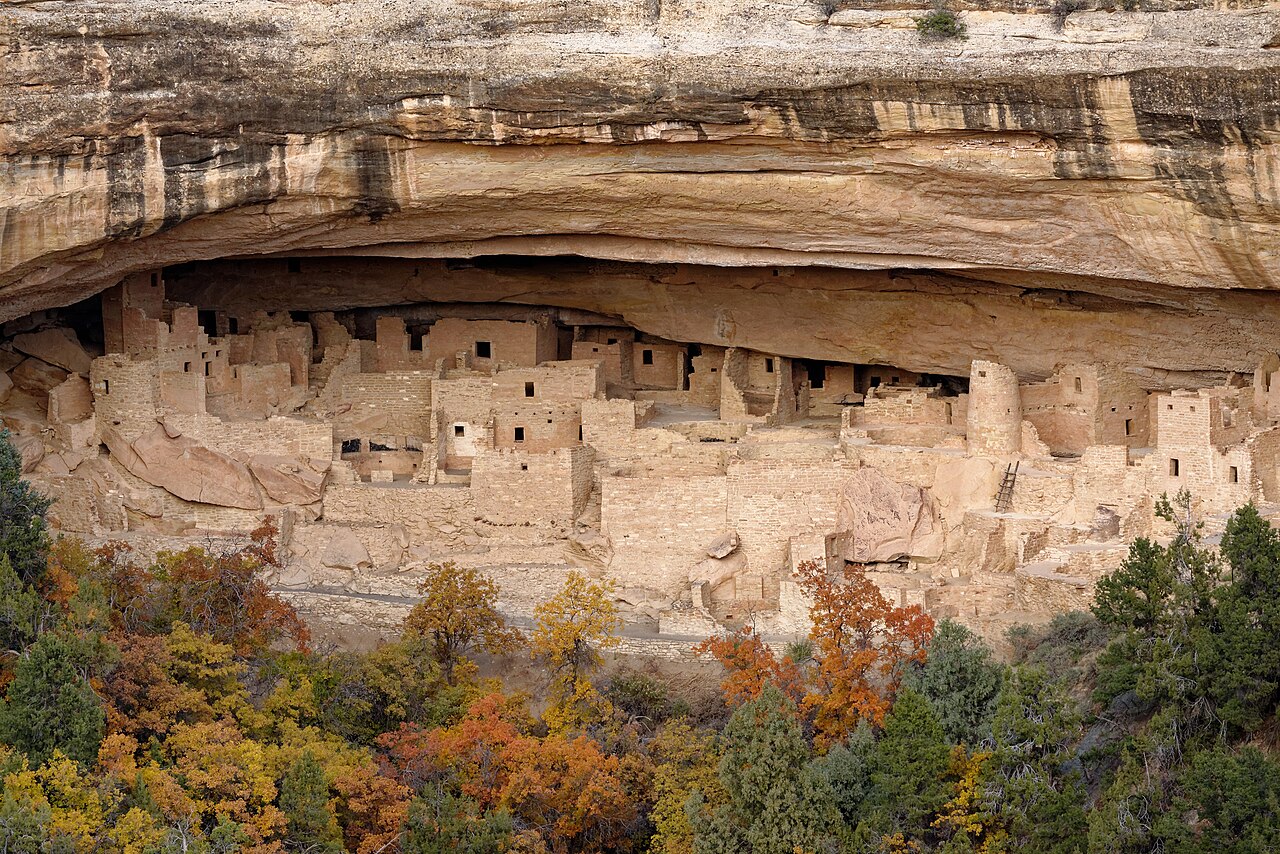
والمناطق الثقافية ] لا تتطور باستمرار مع هجرة الناس والتجارة والاتصال والتكيف مع التغيرات البيئية والاستجابة للقوى السياسية والاقتصادية.
Migration: Carrying Culture, Creating Hybrids
Historical migrations] created many cultural regions:
- التوسع في بانتو عبر أفريقيا
- الملاحة المتعددة الجنسيات في المحيط الهادئ
- الهجرة التركية عبر آسيا الوسطى
- الاستعمار الأوروبي للأمريكتين، أستراليا
Contemporary migration] continues reshaping regions:
- Labor migration]: Workers moving from developing to developed regions
- Refugee flows: Conflicts displacing millions, creating diaspora communities
- Urban migration]: Rural-to-urban movement creating cosmopolitan cities
- Brain drain]: العمال المهرة الذين يغادرون المناطق النامية
- Return migration]: المهاجرون العائدون إلى ديارهم بمنظورات جديدة
Diaspora communities] maintain cultural identity while adapting to new environments, creating ]transnational cultural spaces.]
العولمة: التوحيد أو التنوّع؟
Homogenizing forces]:
- Global brands : McDonald, Coca-Cola, Nike worldwide
- English language]: Becoming global lingua franca
- Western popular culture]: Hollywood, pop music spreading global
- Internet]: Facilitating cultural exchange and standardization
- Global economic integration]: Creating similar consumer societies
Diversifying forces]:
- Cultural revival: ردود الفعل ضد التجانس في تعزيز الهوية المحلية
- Digital platforms]: Enabling niche cultures and regional content to find audiences
- Migration]: Creating more multicultural societies
- Local adaptation]: Global products/ideas adapted to local contexts ( "glocalization)
Reality]: العولمة تخلق التوحيد والتنويع في آن واحد - عالمي ومحلي تفاعلاً معقداً.
التكنولوجيا: الاتصال والتجزؤ
Compmunication technology] transforms cultural geography:
- Internet]: Overcomes physical distance, enables virtual cultural communities
- Social media]: Facilitates rapid cultural diffusion and formation of identity groups transcending geography
- خدمات الدمج : جعل المحتوى الثقافي العالمي متاحاً في أي مكان
- Translation technology]: Reducing language barriers
- Transportation]: يجعل السفر المادي أكثر سهولة
ومع ذلك، فإن المناطق الثقافية الجغرافية ما زالت قائمة ] لأنها:
- اللغة لا تزال قوية في مجال تحديد الهوية الثقافية
- القرب المادي لا يزال ييسر التقاسم الثقافي
- التكيف البيئي مستمر في الحاجة إلى معارف محلية
- وكثيرا ما تشدد سياسة الهوية على التميز المحلي/الإقليمي
- الممارسات الثقافية المرتبطة بأماكن محددة (مواقع الحج، المناظر الطبيعية المقدسة)
Climate Change: Forcing Adaptation and Movement
Environmental change] is reshaping cultural regions:
Arctic]: Warming opening new routes, threatening traditional lifestyles of indigenous peoples (hunting, fishing patterns changing).
Island Nations ]: Rising seas threatening existence of Pacific and Indian Ocean nations, potentially eliminating cultures if populations must relocate.
Sahel]: Desertification expanding, forcing pastoral peoples to adapt or migrate, increasing resource conflicts.
Coastal Regions]: Sea level rise, storms forcing cultural adaptation and migration in vulnerable areas (Bangladesh, delta regions, small islands).
Agricultural Regions]: Shifting climate zones altering where crops grow, forcing dietary and economic changes.
التغيير السياسي: رسم الحدود وإشعالها
Political events] can rapidly alter cultural landscapes:
- Decolonization]: Creation of new nations attempting to build national identities
- Partition]: Division of British India (creating India/Pakistan/Bangladesh), Korean division creating diverging cultures despite shared heritage
- Unification]: German reunification attempting to merge divergent cultures
- European integration: EU creating new European identity along national ones
- Soviet collapse]: Post-Soviet states navigating between Russian legacy and national identity
Borders matter]: حتى الحدود السياسية التعسفية، بمرور الوقت، يمكن أن تخلق اختلافات ثقافية، حيث أن أمماً مستقلة تستحدث مؤسسات وسياسات وسرداً وطنياً مختلفة.
الحفظ الثقافي ضد التغيير
Societies face tension between preservation and adaptation]:
دوافع الحفظ ]:
- الحفاظ على الهوية وسط العولمة
- إرث إلى الأجيال المقبلة
- السياحة التي تخلق حوافز اقتصادية
- مقاومة رمزية للهيمنة
- القيمة الجوهرية للتنوع الثقافي
Adaptation pressures]:
- التنمية الاقتصادية التي تتطلب تغييرات
- الشباب الذين يسعون إلى الحصول على فرص حديثة
- التكنولوجيا التي تتيح إمكانيات جديدة
- Climate change forcing adaptations
- الاندماج في النظم العالمية
Successful approaches] often involve selective preservation -maintaining core cultural elements (language, festivals, values) while adapting practices to contemporary circumstances.
لماذا الأقاليم الثقافية: فهم التنوع البشري
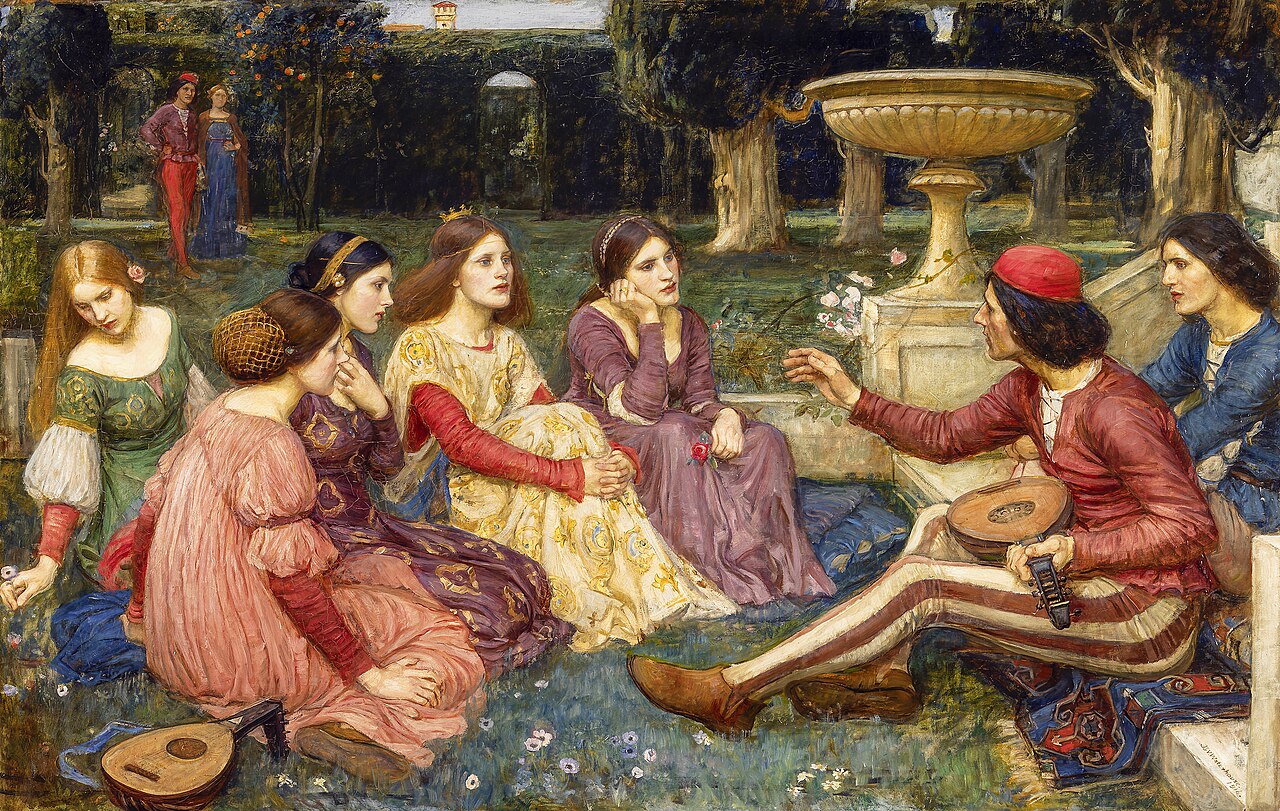
ويوفر فهم المناطق الثقافية معلومات أساسية عن الحضارة البشرية والديناميات العالمية المعاصرة:
تعزيز التعاطف والتفاهم عبر السلطنة
] محو الأمية التعددية ] يقلل من سوء الفهم والنزاعات:
- فهم لماذا يقدّر الناس بعض الممارسات
- الاعتراف بالاختلافات الثقافية ليست أقل من/إقناع ولكن مكيّفة مع الظروف
- تقدير التنوع باعتباره ثروة بشرية
- الحد من العنصرية والقولبة النمطية
Informing Global Cooperation
International relations] benefit from cultural understanding:
- الدبلوماسية أكثر فعالية مع مراعاة الحساسية الثقافية
- تحسين المفاوضات التجارية عن طريق التوعية الثقافية
- نجاح مشاريع التنمية عندما يكون ذلك مناسبا ثقافيا
- يتطلب حل النزاعات فهم السياقات الثقافية
- Climate cooperation needs sensitivity to different cultural values and priorities
حفظ التراث البشري
المناطق الثقافية تمثل حكمة بشرية متراكمة :
- النهج الضارة للتحديات الإنسانية العالمية
- المعارف المعتمدة للبيئات المحلية
- التقاليد الفنية والفلسفية التي تتيح منظوراً مختلفاً
- المنظمات الاجتماعية التي تُظهر نُهجاً متعددة قابلة للبقاء
- اللغات التي تحافظ على أطر مفاهيمية فريدة
يُقلل من قدرة البشرية على التكيف وثروة الفكر
Understanding Environmental Adaptation
وتظهر المناطق الثقافية العلاقات بين البشر والبيئة :]
- كيف تتكيف المجتمعات مع الصحارى والجبال والجزر والغابات
- الممارسات المستدامة التي تطورت على مدى الأجيال
- علامات تحذيرية عندما تكون الثقافات تحت الضغط البيئي
- طرق بديلة تتصل بالطبيعة تتجاوز النموذج الصناعي الحديث
تفسير النزاعات المعاصرة
Many modern conflicts] have cultural dimensions:
- التوترات العرقية الناشئة عن الحدود الاستعمارية (أفريقيا، الشرق الأوسط)
- الاختلافات الدينية التي تؤدي إلى انقسامات سياسية
- الأقليات الثقافية التي تسعى إلى الاستقلال أو الاعتراف
- النزاعات المتعلقة بالموارد التي تنطوي على قيم ثقافية مختلفة
- التوترات المتعلقة بالهجرة التي تنطوي على هوية ثقافية
فهم السياقات الثقافية لا يُعفي من النـزاع ولكن يساعد على تفسيره وتحديد الحلول
الاحتفال بالإبداع البشري
المناطق الثقافية تظهر إبداع الإنسان خارج نطاق القانون :
- الإنجازات المعمارية من الهرم إلى المعبد
- التقاليد الموسيقية من لعبة إلى أوبرا
- التعبيرات الفنية من المسمى " ندب " إلى النحت
- الفنون الطبية من علم الفلك الجزيئي إلى طعام الشوارع
- الابتكارات الاجتماعية من الديمقراطية إلى بناء توافق الآراء
أمثلة وخصائص ثقافية بارزة
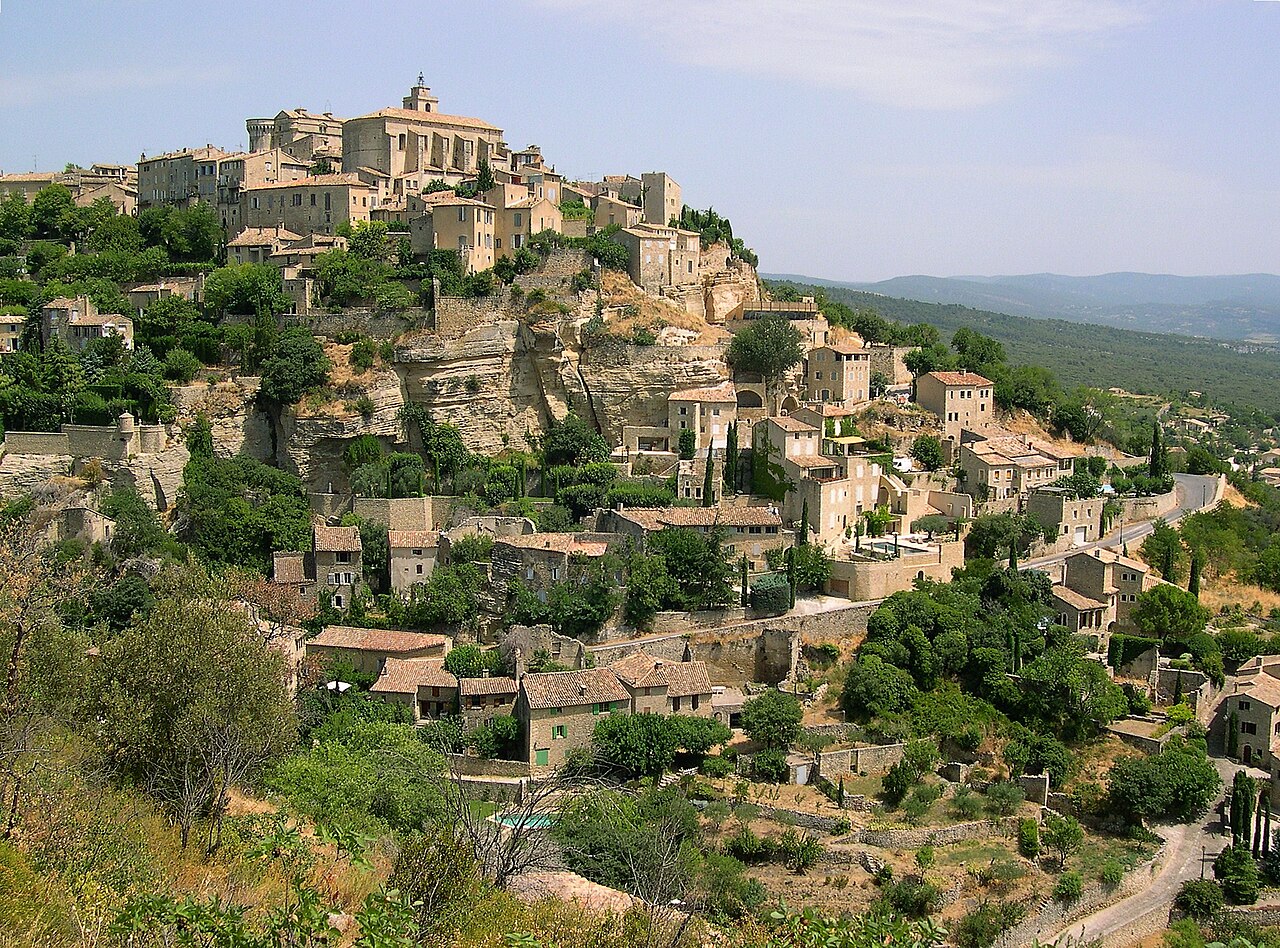
| Cultural Region | Defining Features | Geographic Extent | Example Locations | Key Influences |
|---|---|---|---|---|
| Sahel | Transition between desert/savanna; Islamic-African synthesis | 3,000-mile belt south of Sahara | Mali, Niger, Chad, Burkina Faso | Trans-Saharan trade, pastoralism, Islam meeting indigenous traditions |
| Middle East | Arabic language; Islamic heritage; arid climate | North Africa to Persian Gulf | Egypt, Saudi Arabia, Iraq, Jordan | Islam, Arabic language, oil wealth, ancient civilizations |
| South Asia | Religious diversity; monsoon agriculture; caste systems | Indian subcontinent | India, Pakistan, Bangladesh, Nepal | Hinduism, Buddhism, Islam, British colonialism |
| Scandinavia | Egalitarianism; Norse heritage; minimalist design | Northern Europe | Norway, Sweden, Denmark, Finland | Viking legacy, harsh climate, Lutheran tradition, social democracy |
| Latin America | Spanish/Portuguese language; Catholic faith; mestizaje | Mexico to Argentina | Mexico, Brazil, Argentina, Peru | Indigenous cultures, Iberian colonialism, African heritage |
| East Asia | Confucian values; Chinese character influence; rice culture | China, Japan, Korea, Mongolia | Beijing, Tokyo, Seoul | Confucianism, Buddhism, Daoism, Chinese civilization influence |
| Southeast Asia | Cultural crossroads; tropical climate; religious diversity | Mainland and maritime SE Asia | Thailand, Indonesia, Philippines, Vietnam | Indian, Chinese, Islamic, European influences |
| Mediterranean | Maritime culture; ancient heritage; olive/wine/wheat agriculture | Southern Europe, North Africa, Levant | Italy, Greece, Spain, coastal Turkey | Greek/Roman heritage, Christianity/Islam, maritime trade |
الأفكار النهائية: الجغرافيا والتاريخ والإبداع البشري
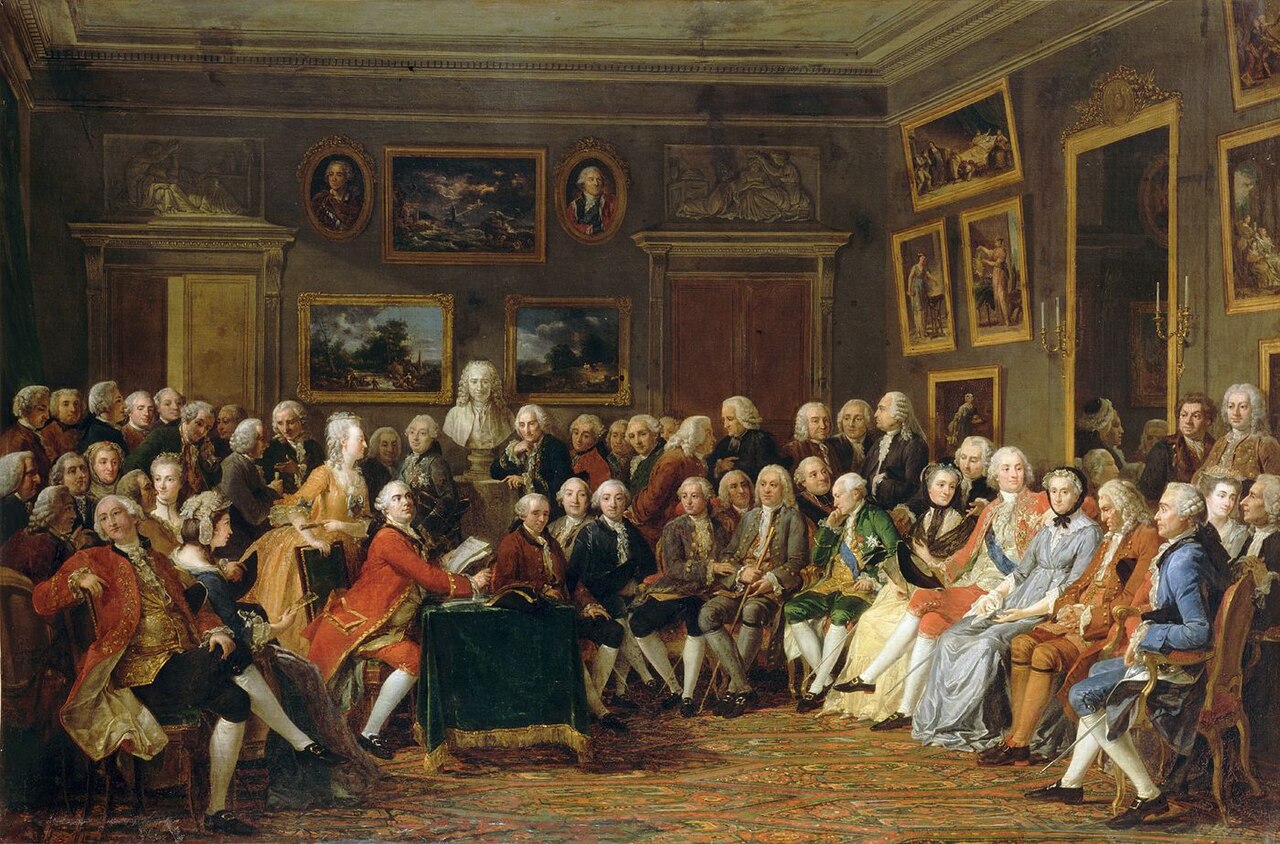
From the Sahel's transitional grasslands to Scandinavia's northern forests, from Amazonian rainforests to Himalayan peaks, the world's cultural regions(ب) أن تُخبر ] قصص التكيف البشري والابتكار وصنع المعنى عبر بيئات مختلفة اختلافاً كبيراً.
فالعلم الجغرافي يوفر المناخ، والأرض، والموارد، والقيود التي تُحدِّد الإمكانيات البشرية، ويضيف التاريخ طبقات الهجرة، والاحتيال، والطرق التجارية، والتبادل الثقافي الذي يزدهر ويتحول، ويطبق الإبداع البشري الفرائس - اللغات المتطورة، والأديان، والفنون، والمطاعم، والمنظمات الاجتماعية التي تحول التحديات البيئية إلى إنجازات ثقافية.
وتُذكِّرنا المناطق الثقافية بأن هناك ] طرقاً صحيحة تماماً للإنسانية - لا توجد ثقافة وحيدة تُحتكر الحكمة أو الجمال أو التكيف الناجح، كما أن " كيونغ سان من كالاهاري، إنويت القطب الشمالي، مزارعي الأرز من الدير الآسيوي، الرعاة الرعاة من الرعاة، والقاط الحضريون من الميغاكيات تمثل جميعها ظروفاهب الثقافية المتطورة.
ومع ذلك، فإن التنوع يكمن في الإنسانية الشاملة : فكل ثقافة تكافح بالولادة والوفاة، وتخلق الجمال والمعنى، وتضع أطرا أخلاقية، وتنظم الحياة الاجتماعية، وتكيف مع البيئة، وتسعى إلى التجاوز، وتظهر المناطق الثقافية إجابات مختلفة على الأسئلة الإنسانية المشتركة.
وفي القرن الحادي والعشرين المترابطة، يصبح فهم المناطق الثقافية أكثر أهمية، لا أقل، حيث يهاجر الناس، مع تذبذب الثقافات، حيث تتطلب التحديات العالمية التعاون، وحيث أن الهويات المحلية تؤكد نفسها ضد التجانس، تصبح محو الأمية الثقافية ] مواطنة أساسية.
بفهم كيف أن الجغرافيا والتاريخ يتداخلان لخلق مشهد ثقافي، لا نرى الدول فقط على خريطة، بل على شكل مذاهب في مذاهبها، بل على مستوى العالم الأوروبي، على أساس التناغم والتطور والصراع، بل وعلى الدوام، على نحو يجسد الإبداع البشري والقدرة على التكيف، وندرك أن مزارع الساحل الذي يدير المياه الشحيحة، ومصمم سكيندينافيين يخلق الجمال الوظيفي، والمحادثة الآسيوية المزدهرة.
إن تنوع الثقافات البشرية يمثل أحد أعظم إنجازات نوعنا - شهادة على القدرة على التكيف البشري والإبداع، والسبل العميقة التي تشكل الهوية، فهم واحترام هذا التنوع مع الاعتراف بإنسانيتنا المشتركة قد يكونان أساسيان في التخفيف من حدة التحديات المقبلة، بدءا بتغير المناخ إلى الهجرة إلى الانقطاع التكنولوجي إلى مسائل الهوية والانتماء في عالم مترابط.