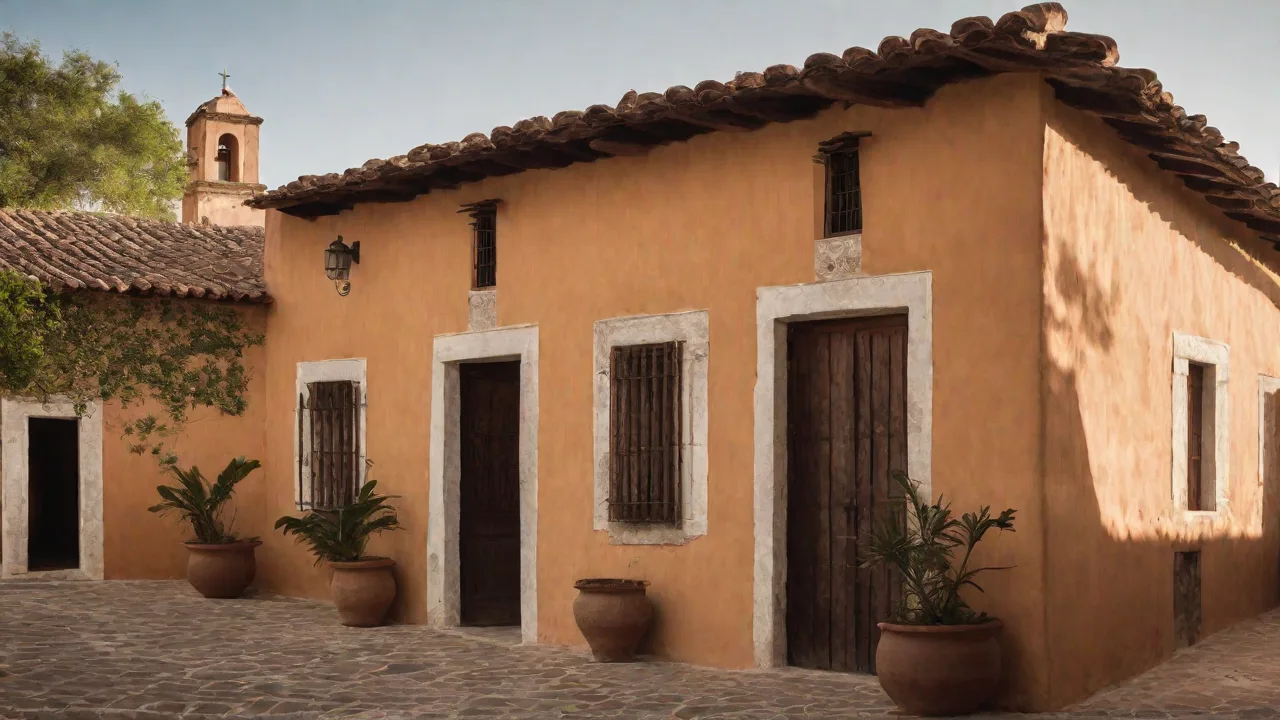
The Influence of Spanish Colonial Missions on Latin American Vernacular Homes
The Spanish colonial missions established in Latin America during the 16th and 17th centuries had a profound impact on local architecture. These missions aimed to spread Christianity and Spanish culture, but they also introduced new building techniques and styles that influenced vernacular homes across the region.
Historical Context of Spanish Colonial Missions
Spanish missionaries and settlers built missions primarily in present-day Mexico, Central America, and parts of South America. These structures served religious, social, and administrative purposes, often becoming the nucleus of new towns. Their construction combined European architectural elements with indigenous building traditions.
Architectural Features of Colonial Missions
- Thick adobe walls: Provided insulation and durability.
- Red tile roofs: Became a distinctive feature of mission architecture.
- Bell towers and courtyards: Facilitated community gatherings and religious services.
- Simple geometric forms: Reflected European influences adapted to local materials.
Influence on Vernacular Homes
The architectural elements introduced by the missions gradually merged with indigenous building traditions, shaping the style of vernacular homes. This blending resulted in distinctive regional architectures that are still visible today in Latin American towns and villages.
Common Features in Local Homes
- Adobe or clay walls: For insulation and availability of local materials.
- Red tile or thatched roofs: Inspired by mission structures.
- Central courtyards: Providing outdoor living space and ventilation.
- Decorative ironwork and wooden details: Reflecting European influence.
Modern Significance
Today, the influence of Spanish colonial missions can be seen in the architecture of many Latin American homes. These styles contribute to regional identity and cultural heritage. Preservation efforts often focus on maintaining these traditional features, which continue to inspire contemporary architecture.